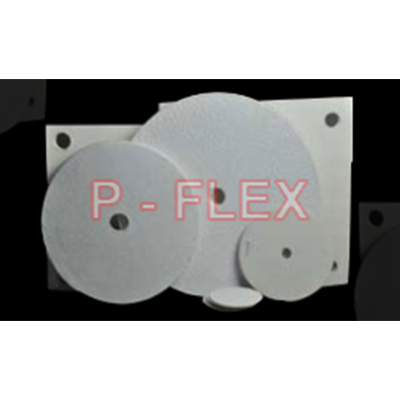

In most industrial environments, dust is treated as an unavoidable byproduct—something to manage, not something to worry about. But the truth is far more serious. Fine dust particles silently reduce machine efficiency, contaminate products, increase maintenance costs, and even pose health risks to workers. Over time, this “invisible problem” turns into measurable losses—downtime, rejected batches, regulatory penalties, and rising operational expenses.
A well-designed dust filtration system, powered by high-quality filter bags, does more than just clean the air. It protects your machinery, ensures compliance with environmental standards, and improves overall plant productivity. Businesses that recognize this early tend to operate smoother, safer, and more profitably.
The dust you don’t see is often the most dangerous—and the most expensive—silently reducing equipment efficiency, contaminating products, increasing maintenance cycles, and even posing serious health risks to workers over time; this is exactly where high-performance solutions from Poojitha Flex Technologies make a measurable difference, as their precision-engineered Dust Filter Bags are designed to capture even the finest particulate matter, ensuring cleaner air, improved operational efficiency, and long-term cost savings for industries that can’t afford to overlook what’s invisible.
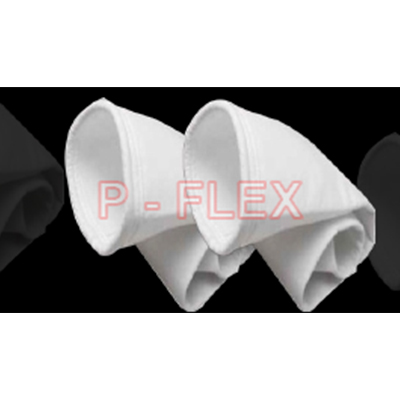
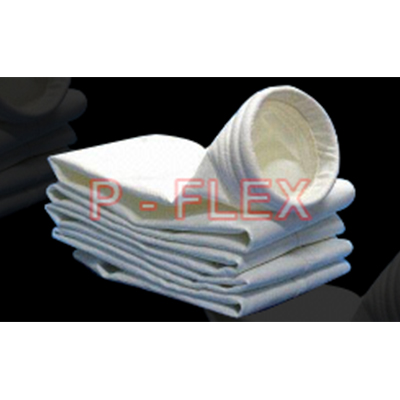
At first glance, a dust filter bag may seem like a simple textile component. In reality, it performs a highly engineered task. As dust-laden air passes through the fabric, particles are captured on the surface or within the fibers, while clean air exits through the other side. Over time, a thin layer of dust—called a dust cake—forms on the surface, which actually enhances filtration efficiency.
Most industrial setups use baghouse systems such as pulse jet, reverse air, or shaker mechanisms. These systems periodically clean the bags by dislodging the dust cake, ensuring consistent airflow and filtration performance.
Every industry produces a different type of dust, and that directly affects the type of filter bag required. Cement plants generate abrasive dust, pharmaceuticals deal with ultra-fine particles, while food processing units handle sticky or moisture-prone dust.
Understanding the nature of your dust is the first step toward selecting the right filtration solution.
Choosing the wrong filter bag can lead to frequent failures, increased downtime, and higher replacement costs.
The performance of a dust filter bag largely depends on the material used. Each fabric has unique properties that determine how it reacts to heat, chemicals, and mechanical stress.
| Material | Temperature Resistance | Best For | Key Advantage |
|---|---|---|---|
| Polyester | Up to 150°C | General applications | Cost-effective and versatile |
| Polypropylene | Up to 90°C | Chemical industries | Excellent chemical resistance |
| Nomex | Up to 200°C | High-temperature environments | Heat resistance |
| PTFE | Up to 260°C | Extreme conditions | Superior filtration efficiency |
Selecting the right fabric ensures longer lifespan, better performance, and reduced operational costs.
Chennai has steadily emerged as a key destination for industrial filtration products. The city offers a strong manufacturing ecosystem, skilled labor, and access to high-quality raw materials. Its strategic location also makes it ideal for both domestic distribution and exports.
Businesses across India prefer sourcing from Chennai because it combines quality with scalability. Suppliers here are well-equipped to handle bulk orders while offering customization based on specific industrial needs.
A trusted name in industrial filtration, Poojitha Flex Technologies is widely preferred for its ability to deliver high-performance dust filter bags tailored to specific industry needs. The company focuses on durability, precision filtration, and long-term cost efficiency, making it a strong choice for bulk buyers. With a commitment to customization and consistent quality, they serve sectors like cement, pharmaceuticals, food processing, and more. Their wholesale capabilities and technical understanding make them a reliable partner rather than just a supplier.
Asahi Filters has built a solid reputation in Chennai’s filtration market by offering a wide range of dust collector bags and filter media. Known for their versatility, they cater to multiple industries with products designed for durability and efficiency. Their manufacturing approach focuses on consistent quality and scalability, which makes them suitable for businesses requiring steady bulk supply without compromising performance.
Sun Filtration Private Limited stands out for its engineered filtration solutions and product reliability. They provide dust filter bags compatible with various baghouse systems and offer multiple material options to suit different industrial conditions. Their attention to product design and ease of installation makes them a preferred choice for industries that demand both performance and operational convenience.
Anush Filters And Fabrics operates as both a manufacturer and wholesaler, supplying a comprehensive range of dust collector filter bags and related filtration products. Their ability to offer multiple material options, including Nomex and polypropylene, allows them to cater to diverse industrial applications. Businesses often rely on them for bulk procurement due to their consistent availability and product range.
Sai Engineering is known for delivering customized filtration solutions designed to meet specific industrial challenges. Serving industries like cement, chemical, and pharmaceuticals, they focus on improving air quality and system efficiency. Their strength lies in providing end-to-end support, from product selection to implementation, making them a dependable choice for long-term filtration requirements.
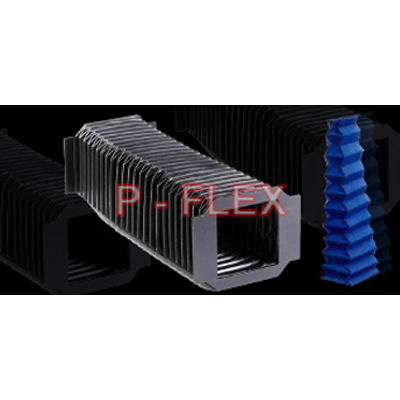
Established in 1980, Poojitha Flex Technologies has built a strong reputation as a trusted manufacturer and supplier of industrial bellows and protective machine components. With decades of industry experience, the company specializes in delivering a wide range of products including Black Bellow Pads, Rubber Expansion Bellows, Laser Cutting Machine Bellows, Telescopic Covers, and SS Laminate Bellows, designed to meet the demanding needs of modern engineering applications.
Driven by a commitment to precision, durability, and performance, Poojitha Flex Technologies utilizes premium-grade materials and advanced manufacturing techniques to ensure consistent product quality. Each product is available in customized specifications, allowing clients to receive solutions tailored to their exact operational requirements within committed timelines.
The company’s products are widely recognized for their long service life, reliability, and superior finish, making them suitable for various industrial sectors. Backed by a skilled workforce and strong technical expertise, Poojitha Flex Technologies continues to expand its footprint with a growing and satisfied customer base.
When it comes to industrial components like dust filter bags, buying in bulk is not just about saving money—it’s about ensuring consistency and reliability.
Retail purchases may work for small requirements, but for ongoing operations, wholesale sourcing is a smarter and more sustainable choice.
Two filter bags may look identical from the outside, but their performance can vary significantly. The difference lies in the details—stitching quality, sealing techniques, fabric density, and finishing treatments.
These factors directly impact filtration efficiency and lifespan.
Standard-sized filter bags often fail to deliver optimal performance because every industrial setup is unique. Customization ensures a perfect fit and better efficiency.
Investing in customized solutions leads to better results and fewer operational issues.
Pricing in dust filter bags is influenced by multiple factors. A cheaper option may seem attractive initially but can lead to higher costs in the long run due to frequent replacements and poor performance.
| Factor | Impact on Price |
|---|---|
| Material quality | Higher durability |
| Manufacturing | Better construction |
| Customization | Tailored performance |
| Order quantity | Bulk reduces cost |
Understanding these factors helps you make informed decisions rather than purely price-driven ones.
Choosing the right filter bag doesn’t have to be complicated. A structured approach can simplify the process.
This ensures that the selected product aligns perfectly with your operational demands.
Many businesses unknowingly make decisions that reduce the effectiveness of their filtration systems.
Avoiding these mistakes can significantly improve system performance and lifespan.
A good supplier doesn’t just sell products—they provide solutions. Reliability comes from consistent quality, technical expertise, and strong customer support.
Choosing the right supplier is as important as choosing the right product.
Effective dust filtration is not just an operational necessity—it’s a financial advantage. Cleaner systems run more efficiently, require less maintenance, and last longer.
Over time, these benefits translate into significant cost savings.
The filtration industry is evolving with advancements in materials and technology. Businesses that stay updated can gain a competitive edge.
These innovations are shaping the future of industrial filtration.
Buying dust filter bags should not be a one-time decision. It should be part of a broader strategy focused on efficiency, sustainability, and long-term performance.
Think beyond immediate needs. Evaluate your processes, understand your challenges, and partner with a supplier who can support your growth. A well-planned filtration strategy can transform your operations.
If you’re looking for a dust filter bags wholesale supplier in Chennai, now is the time to make a smarter choice. Focus on quality, customization, and long-term value rather than just price. The right supplier will not only meet your requirements but also help optimize your entire filtration system.
In today’s competitive industrial landscape, simply purchasing filter bags isn’t enough—what truly drives performance is a well-planned filtration strategy, and Poojitha Flex Technologies stands out by not just supplying Dust Filter Bags but by helping businesses implement efficient, durable, and application-specific filtration solutions that enhance productivity, extend equipment life, and ensure compliance with environmental standards, ultimately transforming filtration from a basic necessity into a powerful operational advantage.
► Replacement depends on usage, dust type, and operating conditions. Typically, they last between 6 months to 2 years.
► Nomex and PTFE are ideal for high-temperature environments.
► Yes, most wholesale suppliers offer customization based on size, material, and application needs.
► Bulk buying reduces cost, ensures consistency, and strengthens supplier relationships.
► It can lead to poor filtration, increased maintenance, and potential system failure.





Copyright © 2026 Poojitha Flex Technologies All Rights Reserved.